
You are using an out of date browser. It may not display this or other websites correctly.
You should upgrade or use an alternative browser.
You should upgrade or use an alternative browser.
Små historiska fakta som kan vara intressanta i rollspel
- Thread starter Genesis
- Start date


En författarintervju som handlar om icke-kärnfamilj uppfostran av barn (m fokus på flickor), intressant för er värdsskapare som vill ha inspiration för icke-kärnfamiljs konstruktioner:
"From the 1720s to the 1940s, parents in the kingdom and later colony of Dahomey (now the Republic of Benin) developed and sustained the common practice of girl fostering, or "entrusting." Transferring their daughters at a young age into foster homes, Dahomeans created complex relationships of mutual obligation, kinship, and caregiving that also exploited girls' labor for the economic benefit of the women who acted as their social mothers. Drawing upon oral tradition, historic images, and collective memories, Jessica Reuther pieces together the fragmentary glimpses of girls' lives contained in colonial archives within the framework of traditional understandings about entrustment. Placing these girls and their social mothers at the center of history brings to light their core contributions to local and global political economies, even as the Dahomean monarchy, global trade, and colonial courts reshaped girlhood norms and fostering practices.
In The Bonds of Kinship in Dahomey: Portraits of West African Girlhood, 1720–1940 (Indiana UP, 2025) Reuther reveals that the social, economic, and political changes wrought by the expansion of Dahomey in the eighteenth century, the shift to "legitimate" trade in agricultural products in the nineteenth century, and the imposition of French colonialism in the twentieth all fundamentally altered—and were altered by—the intimate practice of entrusting female children between households. Dahomeans also valorized this process as a crucial component of being "well-raised"—a sentiment that continues into the present, despite widespread Beninese opposition to modern-day forms of child labor."
In The Bonds of Kinship in Dahomey: Portraits of West African Girlhood, 1720–1940 (Indiana UP, 2025) Reuther reveals that the social, economic, and political changes wrought by the expansion of Dahomey in the eighteenth century, the shift to "legitimate" trade in agricultural products in the nineteenth century, and the imposition of French colonialism in the twentieth all fundamentally altered—and were altered by—the intimate practice of entrusting female children between households. Dahomeans also valorized this process as a crucial component of being "well-raised"—a sentiment that continues into the present, despite widespread Beninese opposition to modern-day forms of child labor."

Faehrengaust
Stallpappa
Äventyrarna ska iväg.
Kläder var bättre förr...
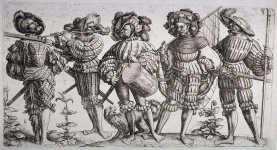
Och här är en variant där jag bad GenAI färglägga den (men den kunde så klart inte låta bli att modifiera lite också):
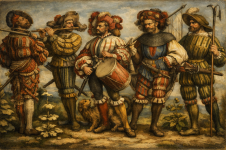
Kläder var bättre förr...
Och här är en variant där jag bad GenAI färglägga den (men den kunde så klart inte låta bli att modifiera lite också):
Faehrengaust
Stallpappa
Runt ca 1750 - 1850 så pågick det en konflikt mellan tjuvjägare och de rika landägarna i England.
Bakgrunden är att det är en orolig tid i Europa och i England så är reglerna runt jakt väldigt hårda. Det är endast de rikaste som har rätt att jaga. Att tjuvjaga var ett sätt att få kött i grytan, men framför allt var det en protest mot vad man uppfattade som orättvisa. Tjuvjägarna ökar i antal och de bildar även grupper. De rika landägarna svarar med att anställa allt fler vakter som även blir allt mer hårdhänta.
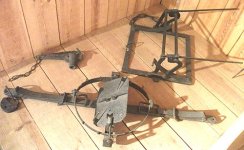
En utveckling är att dessa skogvaktare börjar använda fällor, bl.a. Spring-guns som är riggade (hagel-)gevär. Detta når sin klimax när en viss Thomas Till (far till två små barn) blir dödad av en av dessa fällor. Detta ledde till stridigheter mellan tjuvjägare och adelsmannens vakter vilket resulterade i en död skogsvakt. Senare så blev två av tjuvjägarna hängda för detta.
Den här typen av spring-guns användes dock inte bara av skogsvaktare (och inte bara i England) utan även för att skydda kyrkogårdar (från gravplundrare), hus (korridorer var populära ställen) och lagerlokaler. Ett exempel är i Virginia 1775 när två personer skadas när de försöker göra inbrott i ett militärt lager. Även det ledde till våldsamheter efteråt.
En annan typ av fälla var mantrap som kunde användas på samma sätt.
---
Lite annan typ av konflikt att använda sig av i rollspel där tjuvjägarna kanske kan ses som de "goda" i någon mening. Eller så kan de i alla fall väcka sympati hos rollpersonerna. En möjlighet att använda sig av realistiska fällor också.
Bakgrunden är att det är en orolig tid i Europa och i England så är reglerna runt jakt väldigt hårda. Det är endast de rikaste som har rätt att jaga. Att tjuvjaga var ett sätt att få kött i grytan, men framför allt var det en protest mot vad man uppfattade som orättvisa. Tjuvjägarna ökar i antal och de bildar även grupper. De rika landägarna svarar med att anställa allt fler vakter som även blir allt mer hårdhänta.
En utveckling är att dessa skogvaktare börjar använda fällor, bl.a. Spring-guns som är riggade (hagel-)gevär. Detta når sin klimax när en viss Thomas Till (far till två små barn) blir dödad av en av dessa fällor. Detta ledde till stridigheter mellan tjuvjägare och adelsmannens vakter vilket resulterade i en död skogsvakt. Senare så blev två av tjuvjägarna hängda för detta.
Den här typen av spring-guns användes dock inte bara av skogsvaktare (och inte bara i England) utan även för att skydda kyrkogårdar (från gravplundrare), hus (korridorer var populära ställen) och lagerlokaler. Ett exempel är i Virginia 1775 när två personer skadas när de försöker göra inbrott i ett militärt lager. Även det ledde till våldsamheter efteråt.
En annan typ av fälla var mantrap som kunde användas på samma sätt.
---
Lite annan typ av konflikt att använda sig av i rollspel där tjuvjägarna kanske kan ses som de "goda" i någon mening. Eller så kan de i alla fall väcka sympati hos rollpersonerna. En möjlighet att använda sig av realistiska fällor också.

Khan
Kondottiär
- Joined
- 23 Apr 2014
- Messages
- 5,759
Rekommenderar att ta en titt på gruppen Proknekt, som återskapar just 1500-tal och landsknektar. Många bra dräkter. Många glada färger.Äventyrarna ska iväg.
Kläder var bättre förr...
View attachment 28286
Och här är en variant där jag bad GenAI färglägga den (men den kunde så klart inte låta bli att modifiera lite också):
View attachment 28287

Skarpskytten
Ödestyngd världsvandrare
Upptakten och början av det här kriget skildras i E.P. Thompsons klassiska studie Whigs and Hunters. The Origin of the Black Act.Runt ca 1750 - 1850 så pågick det en konflikt mellan tjuvjägare och de rika landägarna i England.
Bakgrunden är att det är en orolig tid i Europa och i England så är reglerna runt jakt väldigt hårda. Det är endast de rikaste som har rätt att jaga. Att tjuvjaga var ett sätt att få kött i grytan, men framför allt var det en protest mot vad man uppfattade som orättvisa. Tjuvjägarna ökar i antal och de bildar även grupper. De rika landägarna svarar med att anställa allt fler vakter som även blir allt mer hårdhänta.
[…]
Lite annan typ av konflikt att använda sig av i rollspel där tjuvjägarna kanske kan ses som de "goda" i någon mening. Eller så kan de i alla fall väcka sympati hos rollpersonerna. En möjlighet att använda sig av realistiska fällor också.
Faehrengaust
Stallpappa
Rekommenderar att ta en titt på gruppen Proknekt, som återskapar just 1500-tal och landsknektar. Många bra dräkter. Många glada färger.
Har nog träffat ett par av dem och svingat någon bägare ihop.
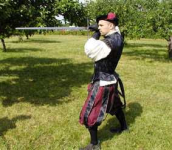
Jag har också en lite liknande dräkt även om min är gjord efter en förlaga från en fäktmanual.

Cybot
Mest spelbar
Har nog träffat ett par av dem och svingat någon bägare ihop.
Jag har också en lite liknande dräkt även om min är gjord efter en förlaga från en fäktmanual.
View attachment 28291
Om din hatt inte är löjligt stor, är det ens någon mening?
/s
Äventyrarna ska iväg.
Kläder var bättre förr...
Men, what happened?

JohanL
Champion
- Joined
- 23 Jan 2021
- Messages
- 11,703
Det här fenomenet har ett tekniskt namn:
Men, what happened?

Great Male Renunciation - Wikipedia
"The Great Male Renunciation (French: Grande Renonciation masculine) is the historical phenomenon at the end of the 18th century in which wealthy men of the Western world stopped using bright colours, elaborate shapes and variety in their dress, which were left to women's clothing. Instead, men concentrated on differences of cut and the quality of the clothes' cloth.[1]
Coined by British psychologist John Flügel in 1930, it is considered a major turning point in the history of clothing in which the men stopped being ornate and detailed.[2] Flügel asserted that men "abandoned their claim to be considered beautiful" and "henceforth aimed at being only useful".[3] The Great Renunciation encouraged the establishment of the suit's monopoly on male dress codes at the beginning of the 19th century."

DeBracy
Eventuellt helt fantastisk
- Joined
- 21 May 2003
- Messages
- 6,206
Mot den fonden känns det ju givet att ta upp termen ”Peacock Revolution”, moderörelsen som kulminerar i mitten-slutet av sextiotalet. Återerövrande av färg, mönster och annat ”feminint”. Kostymer sydda av spektakulära möbeltyger, kravatter, långt hår, bling bling.

 en.wikipedia.org
Pink Floyd kan väl få kliva in och illustrera:
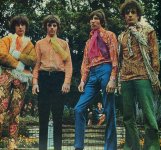
Väldigt tidsbundet fenomen på ett sätt, men inom rockmusiken kommer ekon av det om och om igen.
Kanske mer intressant som exempel på hur en motrörelse kan gestalta sig än som en konkret sak att droppa in i rollspel.
Peacock revolution - Wikipedia
Pink Floyd kan väl få kliva in och illustrera:
Väldigt tidsbundet fenomen på ett sätt, men inom rockmusiken kommer ekon av det om och om igen.
Kanske mer intressant som exempel på hur en motrörelse kan gestalta sig än som en konkret sak att droppa in i rollspel.

Quadrante
Grisbonde
En sak man ofta glömmer (eller som jag sällan sett i äventyr eller rollspelsvärldsböcker) är att de som är gamla gubbar och gummor i spelets idag kan varit revolterande ungdomar förr.
Faehrengaust
Stallpappa
En sak man ofta glömmer (eller som jag sällan sett i äventyr eller rollspelsvärldsböcker) är att de som är gamla gubbar och gummor i spelets idag kan varit revolterande ungdomar förr.
Den gamla trollkarlen har alltid varit en gammal och vis gubbe. Även om han kanske egentligen borde varit en fumlig och slarvig lärjunge med tvivelaktiga festarvanor en gång i tiden

Makaron
Warrior
- Joined
- 6 Sep 2016
- Messages
- 200
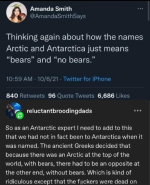
Fast (ledsen att vara pedant) det handlar väl inte om björnar som djur, utan om stjärnbilderna. Vid Arktis ser man Stora och Lilla Björn, vid Antarktis ser man dem inte. Det råkar bara vara tur att det också stämmer överens med var det finns björnar


Frederik J. Jensen
Thoughtful Dane
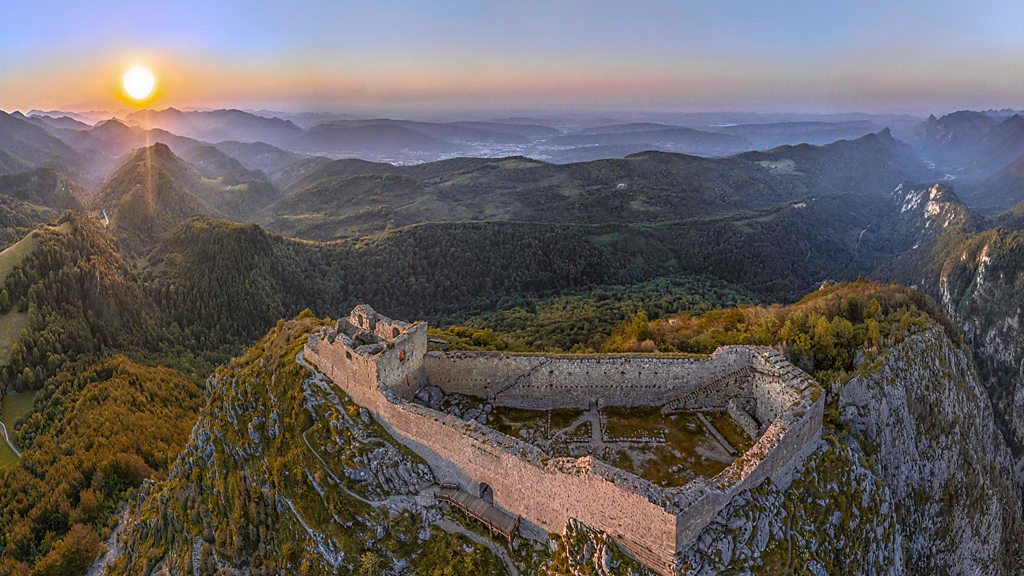
Fascinating story about a medieval dualist sect. Someone should make a game about it.
 www.bbc.com
The French fortress of a celibate sect
The Cathars rejected meat and procreative sex. They were persecuted as heretics, but shaped our ideas of love.
www.bbc.com
JohanL
Champion
- Joined
- 23 Jan 2021
- Messages
- 11,703
Det kanske inte är en tillfällighet vilka stjärnor som man på lösa boliner tyckte utgjorde björnar, heller…Fast (ledsen att vara pedant) det handlar väl inte om björnar som djur, utan om stjärnbilderna. Vid Arktis ser man Stora och Lilla Björn, vid Antarktis ser man dem inte. Det råkar bara vara tur att det också stämmer överens med var det finns björnar
Faehrengaust
Stallpappa
Läste i lokala hembygdsföreningens tidskriften att för 4000 år sedan kunde kusten här i trakten röra sig upp till ett par hundra meter på en livstid på grund av landhöjningen och ett väldigt platt landskap. Om det nu är helt sant ska jag låta vara osagt, men även om det skulle vara en mindre sträcka så är det intressant när det blir så pass tydligt.
Undrar hur människorna uppfattade det? Jag antar att man försökt förklara det på något sätt och då lär det väl ha kopplats till gudar eller något annat.
Undrar hur människorna uppfattade det? Jag antar att man försökt förklara det på något sätt och då lär det väl ha kopplats till gudar eller något annat.

TobiasEkwall
Hero
- Joined
- 26 Aug 2007
- Messages
- 1,188
Carl von Line skriver väl om "vattuminskningen" och hans lärljungar sätter upp stationer för att mäta hur havsvatten försvinnerLäste i lokala hembygdsföreningens tidskriften att för 4000 år sedan kunde kusten här i trakten röra sig upp till ett par hundra meter på en livstid på grund av landhöjningen och ett väldigt platt landskap. Om det nu är helt sant ska jag låta vara osagt, men även om det skulle vara en mindre sträcka så är det intressant när det blir så pass tydligt.
Undrar hur människorna uppfattade det? Jag antar att man försökt förklara det på något sätt och då lär det väl ha kopplats till gudar eller något annat.