
Skarpskytten
Ödestyngd världsvandrare
På 1600-talsskottska* kallades familjen Fugger från Augsburg för ”the Fuckers of Ausburg”. Funkar bra i LoftFP!
* eller i alla fall en skotte gjorde så
* eller i alla fall en skotte gjorde så


Jämför hur Iron Maiden behövde förklara att det är "Fokker" och inte "Fucker" i låten Tailgunner.På 1600-talsskottska* kallades familjen Fugger från Augsburg för ”the Fuckers of Ausburg”. Funkar bra i LoftFP!
* eller i alla fall en skotte gjorde så

Jämför hur Iron Maiden behövde förklara att det är "Fokker" och inte "Fucker" i låten Tailgunner.
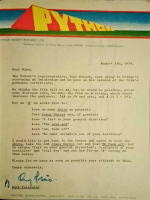

Även stenhuggare eller annan form av stenarbetare har presenterats av många lärda i ämnet som betydligt troligare än snickare.Dagen till ära: Vi tänker ofta på Jesus som en snickare, utifrån översättningar, men den grekiska termen tektōn betyder inte specifikt det, utan snarare grovhantverkare (men inte nödvändigtvis en lågkvalificerad sådan). "Byggjobbare" vore nog en bättre översättning.
Jag utgår från att Erik Granström visste detta när han skapade Tektonerna för Den femte konfluxen.

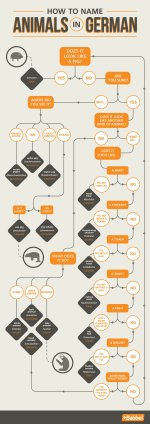
Dagens viktigaste lärdom: Bläckfisk på tyska heter "huvudfoting"!

Och vi har haft ett antal fall där man lyckats avslöja förfalskade dokument då de varit gjorda med ett typsnitt/teckensnitt som inte fanns när dokumentet påstods ha skapats.Typsnitt som dominerat ett visst årtionde. Här är en lista som jag inte alls förväntade mig den, men nog skulle kunna använda mig av. Gissar givetvis att det beror lite på vart man tittar (amerikansk, europeisk eller asiatisk fokus så får man nog olika listor).
Futura (1920s), Times New Roman (1930s), Brush Script (1940s), Helvetica (1950s/60s), Cooper Black (1970s), ITC Avant Garde Gothic (1980s), Grunge/Pixel (1990s), Verdana (2000s), and Roboto (2010s).
1800-talet … och 2020-talet saknas.

1800-talet -- jag föreslår Didot från Frankrike, Scotch Roman från USA och Baskerville från UK. (Napoleons lagstiftning trycktes i Didot.)Typsnitt som dominerat ett visst årtionde. Här är en lista som jag inte alls förväntade mig den, men nog skulle kunna använda mig av. Gissar givetvis att det beror lite på vart man tittar (amerikansk, europeisk eller asiatisk fokus så får man nog olika listor).
Futura (1920s), Times New Roman (1930s), Brush Script (1940s), Helvetica (1950s/60s), Cooper Black (1970s), ITC Avant Garde Gothic (1980s), Grunge/Pixel (1990s), Verdana (2000s), and Roboto (2010s).
1800-talet … och 2020-talet saknas.

Japan fick också en tillgång till högkvalitativt järn som de aldrig haft tidigare. Vilket ökade produktiviteten hos de metallarbetare de hade eftersom de inte behövde arbeta järnet lika mycket för att få en bra produkt.På slutet av 1500-talet var Japan ett av de de länder som hade mest handeldvapen per capita. Kanske mest i hela världen - svårt med siffror från den tiden. Det kan mycket väl ha varit så att de hade fler handeldvapen totalt än något enskilt europeiskt land.
Det är intressant med tanke på att luntlåsvapen inte introducerades i landet förrän 1543 av portugiserna. De hade stött på krutvapen långt tidigare och eventuellt haft någon kanon, men det är inte förrän 1543 som produktionen kan sätta fart. Det måste ha varit en tidig form av massproduktion som tog fart. Att det var en period av många inbördeskrig har säkert påverkat den snabba utvecklingen.
 forskning.se
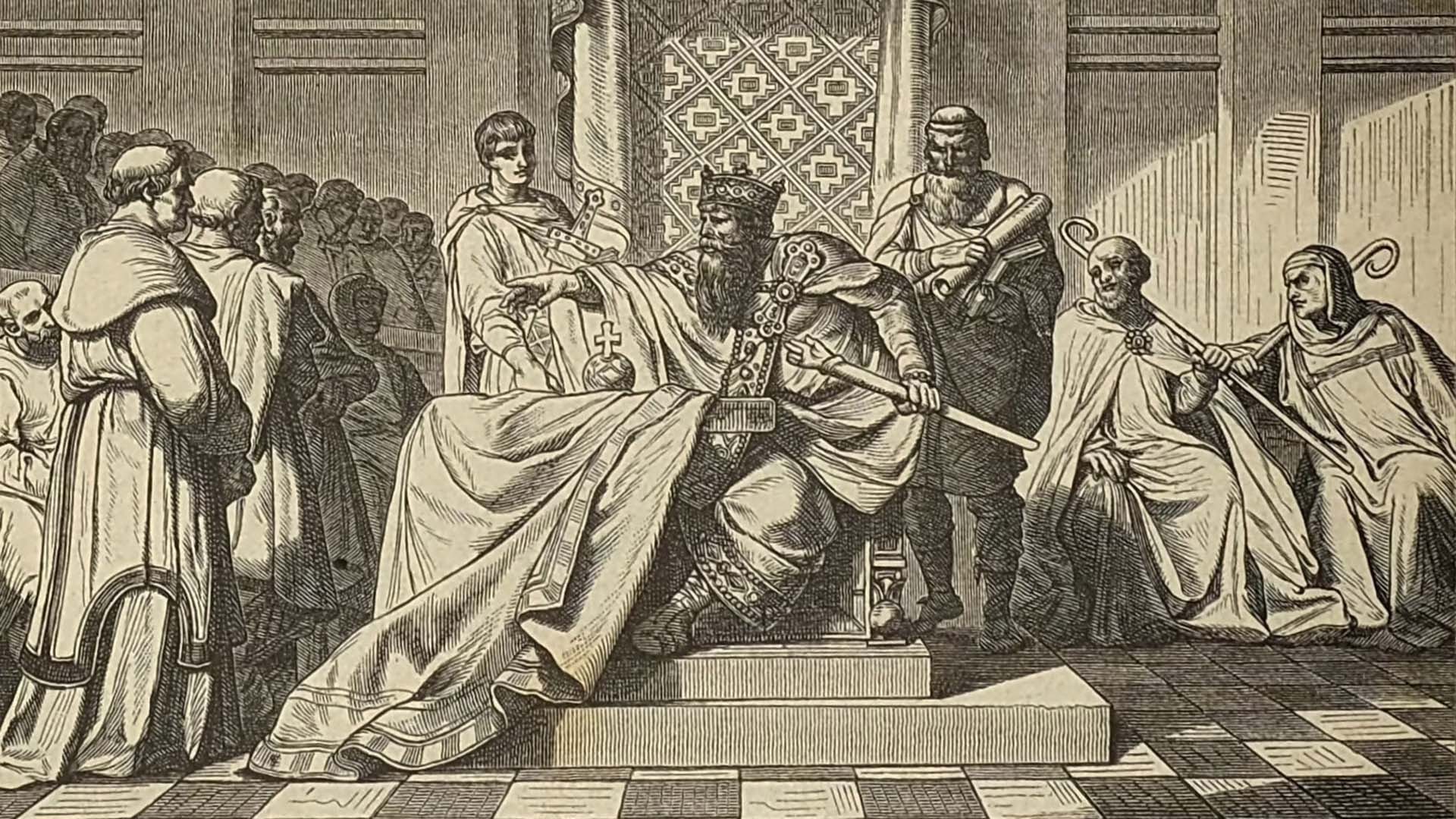
Om jag läser det här rätt: tysk-romerska kejsare kunde tillbringa mer än hälften av sin regeringstid på resande fot. De reste i sällskap av 300-1000 personer. De reste i ungefär 1500-1600 km per år, i snitt.
De går tvärt emot min bild av hur monarker jobbade förr.
Sammanfattning på forskning.se:
Kejsarnas resor stärkte makten i det tysk-romerska riket - forskning.se
Forskare har kartlagt resmönstren för 25 kejsare i det tysk-romerska riket. Studien visar att resorna gjordes av strategiska skäl för att behålla makten.


